✠ The Chronicle

✠ ENTRY LXVIII


The review pipeline learns to merge itself

Two nights of mostly behind-the-scenes work. The project's own pull requests can now merge themselves once an automatic review calls them clean — a human only has to step in when something looks wrong. Thirty new hazard-puzzle candidates were authored and loaded onto the developer-only puzzle board for review, with their paid cards given real rules and a new test that catches a "upgrade" that's secretly worse. No new screen or feature reached a normal playthrough tonight; what moved is bookkeeping and tooling.

INFRA

The project's own pull requests can now merge themselves

What changed

Every automated pull request the project opens now gets reviewed by one or more focused AI readers — each assigned only the files and modules its diff actually touches — instead of a single generalist pass over everything. A pull request that is not part of the plan itself (the project's own build-plan or playbook documents) and whose review comes back clean now merges on its own, with no person needed. A pull request whose review comes back with problems gets one automatic corrective pass on its own branch before being handed back for another look. Two small bugs in the plumbing that supports this — a circular import that crashed every review, and a flaky end-to-end test that occasionally failed for reasons unrelated to the change under review — were also found and fixed.

Why it changed

a replay against four deliberately planted bugs found the new, more focused review setup caught all four, while the old single-reviewer setup caught three and missed one entirely (a bug in how two pieces of game logic interact with each other, the kind a reviewer skimming the whole diff is most likely to miss). Letting a clean review merge on its own removes the project's single biggest reported bottleneck: work sitting finished and reviewed, but waiting on a person's attention just to land.

commits 2adde5ff · 29af7eaa · b3e39c6d · 25d3dbed · b0b8f865 · ae · 3 · D95 · PRs · 666 · 667 · 668 · 680 · 679
CONTENT

Thirty candidate hazard puzzles, ready for your review

What changed

Thirty new hand-authored puzzle layouts for the hazard mini-game were written — ten rated easy, ten medium, ten hard — spread across all four of Act 1's regions, each reusing a real hazard's title and card text so none of them feel invented out of nowhere. Every one of the thirty was checked by the puzzle solver to make sure it actually asks the player to think: none can be won by playing any card in any order, and none demands exactly one path with no real choice. They're now loaded onto the developer-only puzzle board in three labelled groups (by difficulty), each playable on its own timer, so they can be played and judged one at a time instead of only read as data.

Why it changed

the puzzle mechanic can't be tuned or trusted at scale from a handful of hand-picked examples — this is the pool the next step (you playing each of the thirty, timed, to find out which ones actually feel easy, medium or hard) needs to exist before it can happen. That next step is tracked in the project's deadline list, due 2026-11-02.

commits 12a02d66 · f175dc7d · 5fd77c40 · 8c8528a4 · ae · 4a4d · PRs · 697 · 696 · 701 · 699

MECHANICS

The puzzle's paid cards get real rules, and a test catches a worse copy

What changed

Hazard-puzzle cards that cost a die to use no longer get a free, made-up default for what that die gives back — every card now states its own numbers for "paid" and "unpaid" play, and a card can gain an extra effect specifically for being paid that it doesn't get otherwise. A new automatic check compares every card against every other card in the same pool and flags any card that is simply worse in every situation than another already in the pool — never fewer ways to win, sometimes more — by name, so a bad trade can't quietly sit in the puzzle's card list unnoticed.

Why it changed

an earlier rule meant a player could be asked to pay a real cost (a die, or progress on the card) for nothing but what every card already got for free — a bad trade by design. The project's own standing rule now is: if a card costs you something extra, it has to give you something real back, and this is the test that holds that rule to its word going forward, not just today.

commits 814cd687 · 9ff95ae8 · ae · 1c2 · 1d · PRs · 639 · 647

MECHANICS

The puzzle board's dice roll and animate like the real thing

What changed

Picking a route on the developer-only puzzle board now plays the same dice-rolling animation a real hazard encounter uses, landing on the puzzle's own fixed dice faces instead of appearing instantly. Rerolling a die now replays that same tumble in place, and gaining an extra die mid-puzzle now arrives the same way a real hazard's bonus die does — a small conjured animation rather than just appearing in the hand. None of this changes when the puzzle's countdown clock starts: it still holds at full until the roll finishes, so the animation never costs the player time.

Why it changed

the puzzle was deliberately built on a simplified, throwaway screen first so its rules could be nailed down without a real screen's complexity getting in the way. Now that the rules are settling, each remaining piece of the real hazard's presentation gets ported over one at a time — this is the dice half of that move; a visual-regression tool caught one place the animation briefly outran its own capture, fixed in the same work.

commits 82aa556c · 510bdfdb · ae · 3a · 3b · PRs · 637 · 643

BALANCE

Measuring the hazard-puzzle cards: an audit, five numbers, and a move log

What changed

Every card the hazard deck and the puzzle pool can draw on now gets a written audit of what it actually does inside a puzzle (what the puzzle ignores about it, whether it behaves like another card, and a keep-or-cut recommendation with a reason) in a new report. The puzzle solver now also reports five numbers for every puzzle it solves — how many ways it can be won, how big a head start the opening move gives, how many near-misses exist, the shortest possible win, and how much the outcome depends on the dice draw — meant to eventually define what "easy," "medium" and "hard" actually mean in numbers rather than a guess. A new developer-only move log records every action a test-solve makes, with a timestamp for each, down to the moment the puzzle's own opening dice roll finishes settling.

Why it changed

rating a puzzle's difficulty by feel alone doesn't scale past a handful of hand-picked examples, and the project can't calibrate those five numbers against how a real puzzle actually plays without a precise, move-by-move timing record to compare them against. This is the measurement groundwork the thirty-candidate playtest (above) and its eventual difficulty bands are built on.

commits 02b8bc50 · 30ca2703 · 0c2c1df7 · ae · 2a · 2b · 2c · PRs · 641 · 665 · 658

INFRA

The project's visual-regression check moves onto a single, shared renderer

What changed

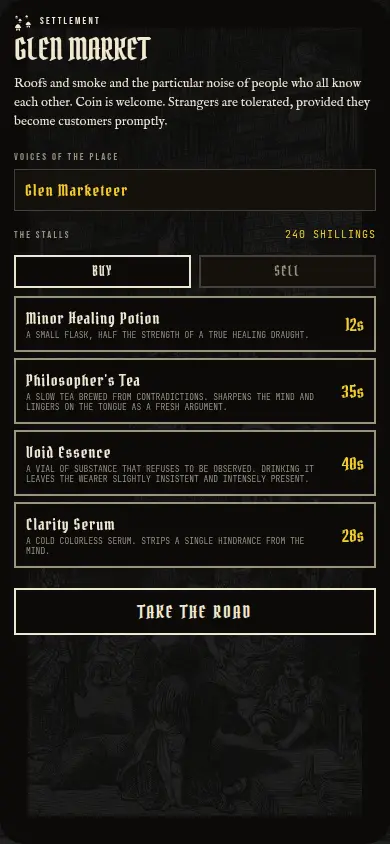
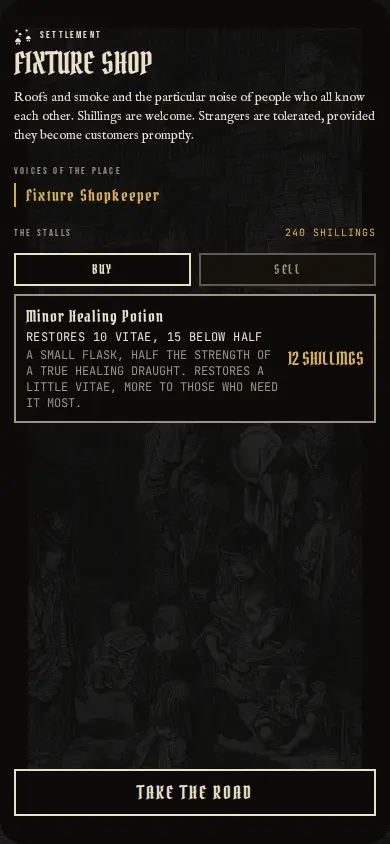
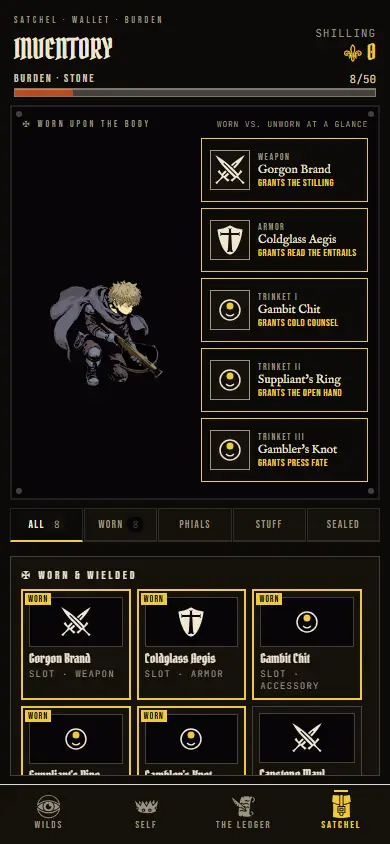
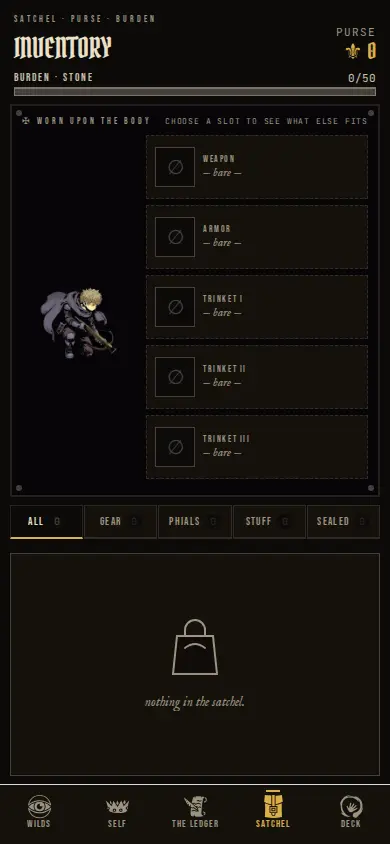
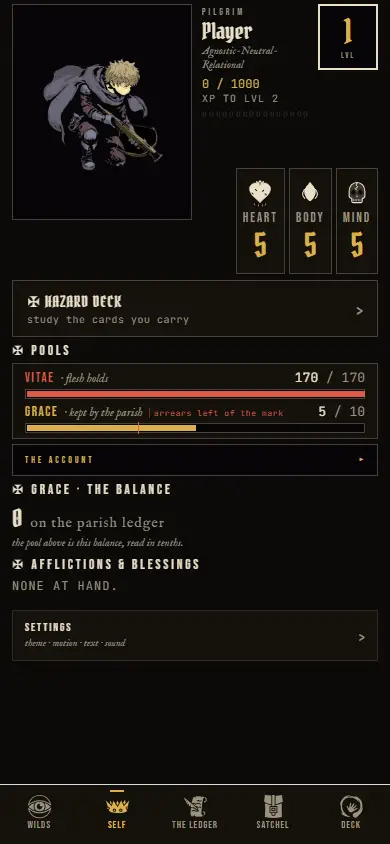
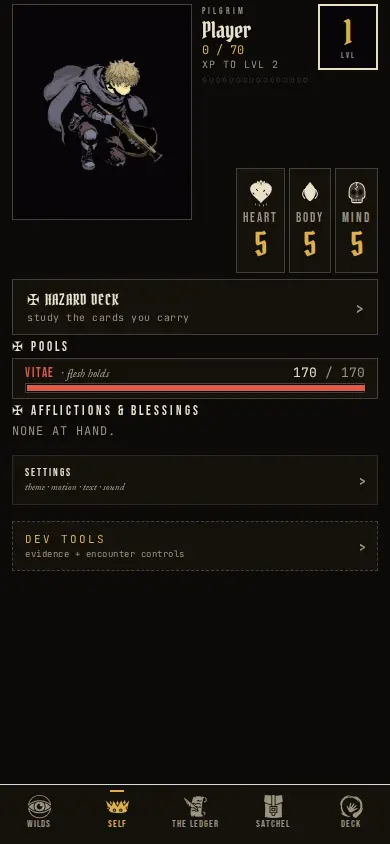
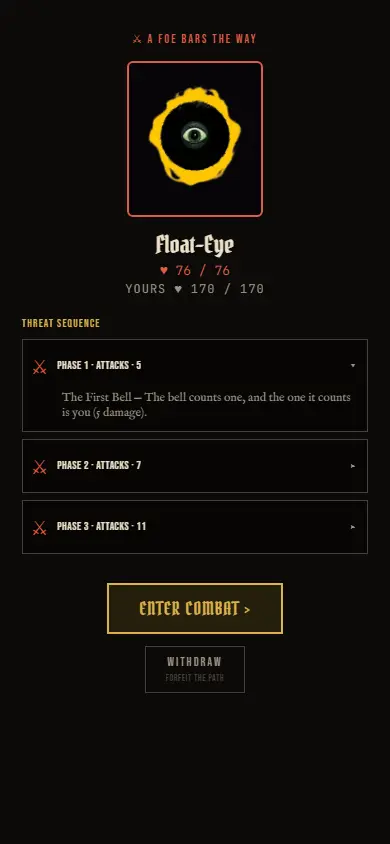
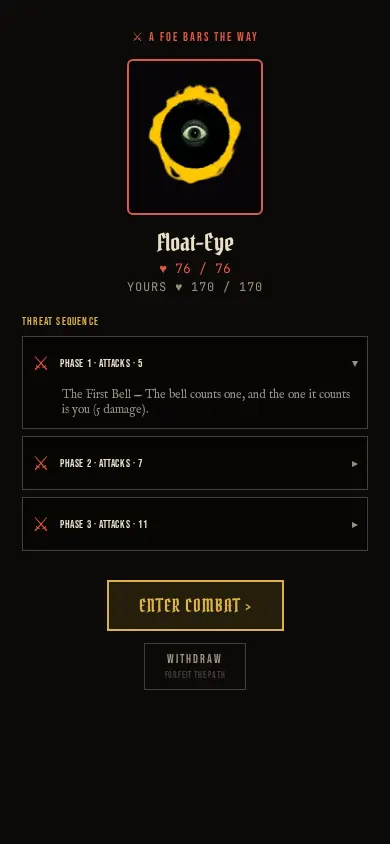
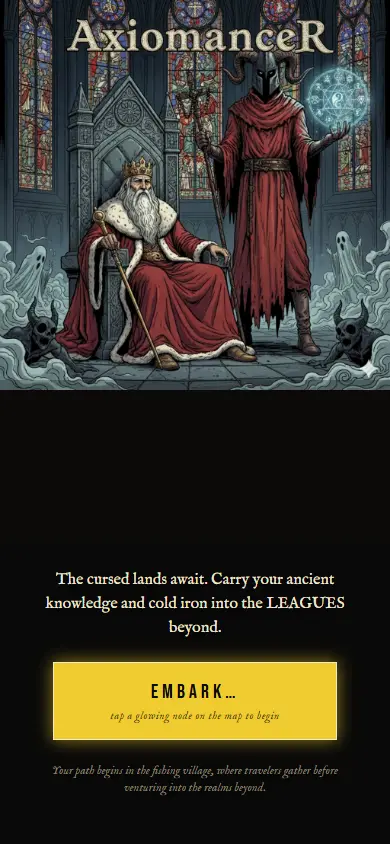
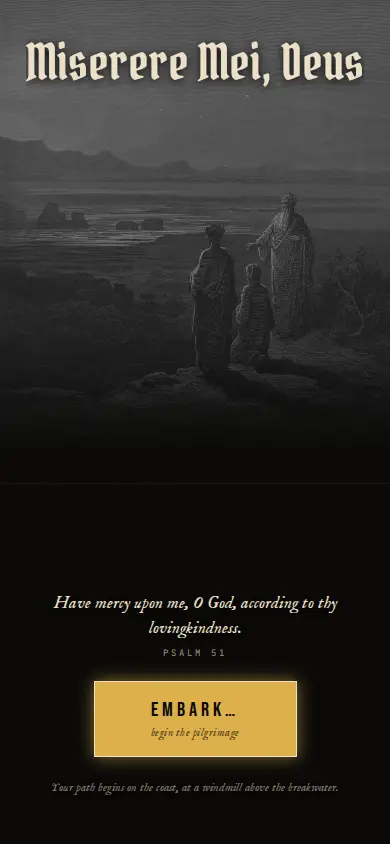
Up to now, the screenshots this project compares against to catch an accidental visual regression were captured on whichever computer happened to run the check, and different computers draw fonts and edges slightly differently — enough to look like a change when nothing in the game actually moved. Thirteen of the project's screenshot baselines were re-captured using one single machine (the automated test runner) as the one renderer whose output counts from now on, and nine of those thirteen differ from the old baselines by more than this project's 2% notice threshold, shown below. None of these differences are a change to the game — they're the same screens, redrawn once by a different machine. A new "ready" signal (the screen says when its fonts and layout have actually settled) also replaced a flat timed wait before every capture, which had been quietly outrunning fast animations like the puzzle board's dice roll (see above).

Why it changed

a flat wait before every screenshot is either too short (a flaky, half-settled capture) or too long (a slow check on every single automated change) — and a check run on a different machine each time can never build a stable history to compare against. Picking one machine as the permanent renderer of record, and waiting on a real signal instead of a guessed delay, is what makes "did this screen actually change" answerable going forward instead of noisy.

BEFORE · 19 OCT

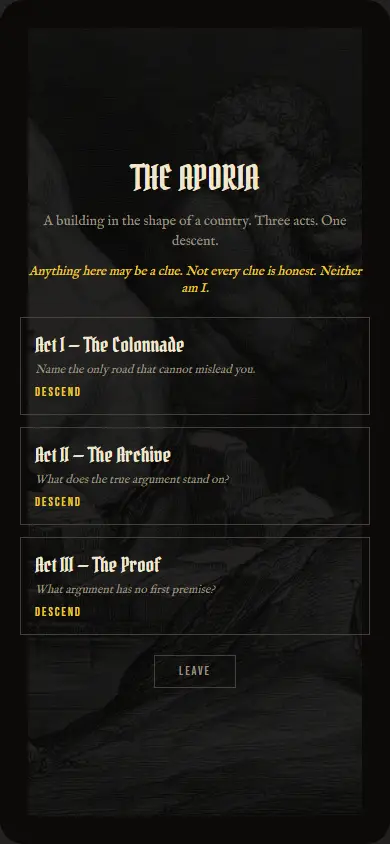
The root screen before the change: up to now.

AFTER · 21 OCT

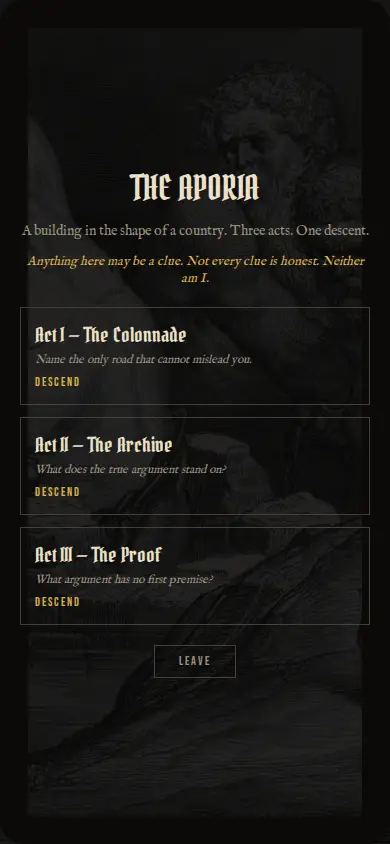
The root screen after the change: up to now.
root — the title screen, re-captured on the shared renderer (39% different by pixel count from the prior baseline; same screen, no game change).

BEFORE · 19 OCT

The village screen before the change: up to now.

AFTER · 21 OCT

The village screen after the change: up to now.
village — re-captured on the shared renderer (10% different; same screen, no game change).

BEFORE · 19 OCT

The inventory screen before the change: up to now.

AFTER · 21 OCT

The inventory screen after the change: up to now.
inventory — re-captured on the shared renderer (10% different; same screen, no game change).

BEFORE · 19 OCT

The labyrinth screen before the change: up to now.

AFTER · 21 OCT

The labyrinth screen after the change: up to now.
labyrinth — re-captured on the shared renderer (8% different; same screen, no game change).

BEFORE · 19 OCT

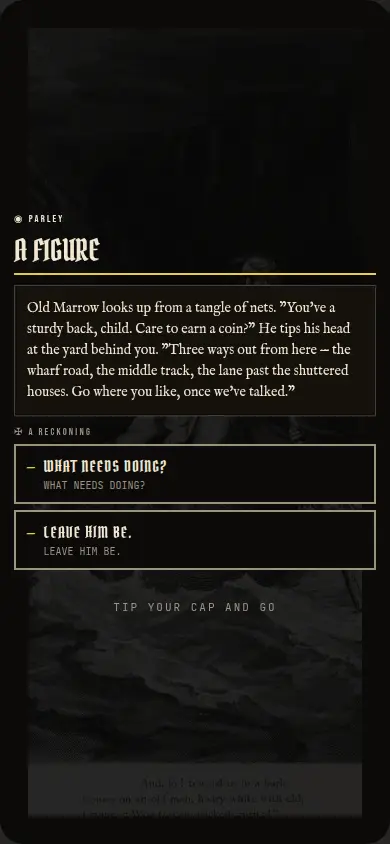
The dialogue screen before the change: up to now.

AFTER · 21 OCT

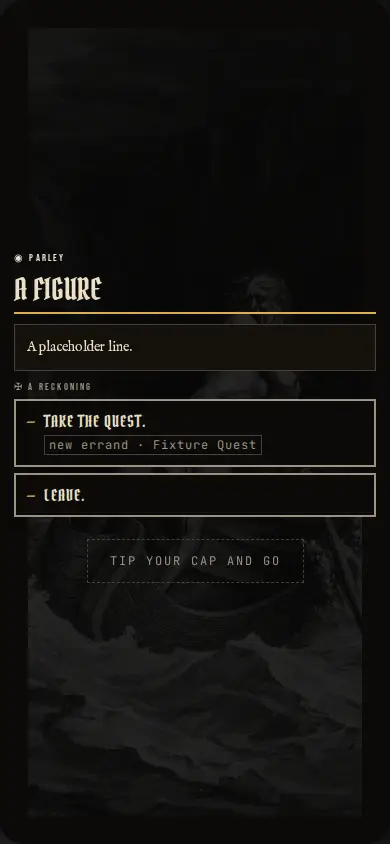
The dialogue screen after the change: up to now.
dialogue — re-captured on the shared renderer (6% different; same screen, no game change).

BEFORE · 19 OCT

The character screen before the change: up to now.

AFTER · 21 OCT

The character screen after the change: up to now.
character — re-captured on the shared renderer (6% different; same screen, no game change).

BEFORE · 19 OCT

The combat encounter screen before the change: up to now.

AFTER · 21 OCT

The combat encounter screen after the change: up to now.
combat-encounter — re-captured on the shared renderer (4% different; same screen, no game change).

BEFORE · 19 OCT

The exploration screen before the change: up to now.

AFTER · 21 OCT

The exploration screen after the change: up to now.
exploration — re-captured on the shared renderer (3% different; same screen, no game change).

BEFORE · 19 OCT

The memoir screen before the change: up to now.

AFTER · 21 OCT

The memoir screen after the change: up to now.
memoir — re-captured on the shared renderer (2% different; same screen, no game change).

commits 03b0ac26 · b48f6282 · 35b94d65 · ae · E1a · E1b · PRs · 661 · 663

INFRA

A legibility check for the title screen's plate

What changed

A new automated check measures how readable the title screen's wordmark and its small psalm line are against the dark plate they sit on — four contrast measurements in total, checked against accessibility-style minimum ratios. It runs as part of the project's normal art checks and only fails if a plate gets installed that is both different from the last approved one and too low-contrast to read comfortably. The currently installed plate passes comfortably on its own merits (its lowest measured ratio is nearly double the required minimum).

Why it changed

the title screen's look is picked by the maintainer by eye, not by an automated rule — this doesn't change that, but it means a future plate pick gets an objective legibility check before it ships, rather than relying on everyone remembering to squint at it on a phone.

commits 057cb7b2 · ae · 1a · PR · 655

INFRA

Item icons get a path to be told apart — the icons themselves still wait on the maintainer

What changed

Every potion and relic icon on the item screens used to be chosen purely by the item's category, so all three healing potions and both relics on the current roster shared one single picture each, regardless of which specific item they were. A new lookup table now lets any item be given its own unique icon by its exact id, falling back to today's shared category icon for anything not yet listed — which, for now, is everything, so no icon actually looks any different yet.

Why it changed

this is deliberately the invisible half of the fix: the mechanism for giving an item its own icon needed to exist and ship risk-free (changing no pixel) before the maintainer picks the actual icons, since that picking is a manual, by-eye decision this project reserves for a person rather than automating.

commits 56ef59f9 · ae · 1a · PR · 683

INFRA

A plan that can no longer silently disagree with itself

What changed

The project tracks its upcoming deadlines in one table and its build queue in another, and until now nothing checked that the two agreed with each other. A new automated check now fails the project's own test suite if a deadline item has no matching row in the build queue, claims a queue row that doesn't exist, double-books one row under two different deadlines, or sits outside the date window it claims to be in — and it names exactly which row and which file disagree, rather than leaving a person to notice by hand.

Why it changed

a deadline plan nobody is checking for internal consistency is a plan that quietly drifts out of date exactly when it matters most — right before something is due. This closes that gap with a hard failure instead of a hope that someone notices.

commits 376dad31 · ae · D1a · PR · 686

INFRA

The deadline plan's own status column stops needing a human to keep it honest

What changed

Building on the lint above, the deadline table's Status column (whether each tracked item has actually shipped) is now computed automatically from the build queue and rewritten in place, rather than hand-edited — a row the parser can't understand is left alone and flagged, and the maintainer's own task rows are never touched by the automation. This caught and fixed four rows that had already shipped (the four puzzle-candidate phases above) but were still marked unshipped from a stale hand edit.

Why it changed

a status column someone has to remember to update by hand is a status column that quietly goes stale exactly when a deadline is close — this is the same reasoning as the lint two rows up, extended to actually fixing the drift instead of just catching it.

commits c54905bc · ae · D1b · PR · 707

INFRA

Two copies of the same note no longer turn into a silent conflict

What changed

When two separate branches of work each bump the same lesson ("we hit this problem again") or the same "needs a person" note at the same time, the tool that merges them together (git) used to just keep both copies side by side with no warning — which quietly broke the project's own lint rules on the receiving branch, six times in two days, each one undone and fixed by hand. A new merge rule now combines two bumps of the same note into one row automatically — keeping the higher repeat count, the latest date, and the union of everything both copies cited — and only gives up (leaving an ordinary, visible conflict) when the two copies genuinely disagree in a way that can't be safely combined.

Why it changed

six silent breaks in two days, three of them on one single pull request, is exactly the kind of recurring paper cut this project's own process keeps a running ladder of — once a problem repeats enough times by hand, it earns an automatic fix instead of a repeated manual one.

commits 7745d4da · ae · 1a · PR · 695

INFRA

A private notebook for brainstorming now has a safe bridge into the project

What changed

The maintainer's personal brainstorming notes — goals, a map of ideas, a running inbox — now live in their own small, separate, private repository, with a script that safely pulls the latest version into the main project folder (and refuses to do anything risky, like merging over local changes, if anything looks out of the ordinary) and a new /vault command that works a short note-sorting session from it.

Why it changed

ideas the maintainer jots down away from a keyboard need a safe, low-ceremony path into the place where they actually get turned into planned work, without risking the notebook and the project's own history getting tangled together by an ordinary sync.

Measured truth

> measured at 7a6ef2b, 2026-10-19, 300 runs, seed 1; compared with b53b55d (2026-10-19)

Doors, win rate / lowest-VITAE p10:

fightlevelgrey evengrey body-mindgrey bodyblood-price evenblood-price body-mindblood-price body
bw-17/the-doorwarden (door)L4 v L121% / 0.0027% / 0.0068% / 0.00100% / 0.47100% / 0.51100% / 0.53
cw-17/the-doorwarden (door)L9 v L250% / 0.0083% / 0.0099% / 0.37100% / 0.57100% / 0.61100% / 0.63
bc-15/the-doorwarden (door)L14 v L386% / 0.0095% / 0.23100% / 0.55100% / 0.62100% / 0.67100% / 0.67
ld-16/the-doorwarden (door)L18 v L482% / 0.00100% / 0.29100% / 0.57100% / 0.64100% / 0.70100% / 0.68

No drift past the thresholds. No run since the last digest's reading (cf27e84, 2026-10-19) was triggered by a mechanics change; both rows above predate it, re-read for completeness.

commits e2dee54d · ae · 1b · PR · 691

✠ The marginalia


The night's watch — what ran while nobody looked
window (UTC)what ranoutcome
10-19 09:33 – 12:45dispatcher ticksHP3a (puzzle dice roll like a live hazard), HP2a (card audit, puzzle card pool) and HP1c2 (cost-card rules) all shipped and merged (#637, #641, #639)
10-19 17:09 – 20:53dispatcher ticksHP3b (rerolls and gained dice animate) shipped (#643); HP1d (the worse-copy test) shipped (#647); RV2 plotted and shipped (#648, #650)
10-19 night – 10-20 morningdispatcher ticksbaselines re-stamped on the CI renderer, 13 routes (see the visual-regression card above)
10-20 daytimea dense run of dispatcher ticks + review fixesthe review pipeline's auto-merge (RV3, D95) shipped (#666, #667, #668); TP1a (title plate gate), HP2c (move log), VE1a (one stamped export), VE1b (ready signal), HP2b (five difficulty features) all shipped; a planted-defect replay confirmed the new review setup (#678); two review/CI bugs fixed (#679, #680)
10-20 evening – nightdispatcher tickscritique pass 98 (1 MED: a critique capture landing mid-animation); IT1a (item glyphs by id) shipped (#683); DL1 plotted
10-20 night – 10-21 morningdispatcher ticksDL1a (deadline lint) shipped (#686); OV1, ML1 and UP1 plotted (#687, #688, #689); OV1b (vault wiring) and ML1a (lessons merge driver) shipped (#691, #695)
10-21 early morningdispatcher ticksHP4a, HP4b, HP4d and HP4c (decision pressure, candidate library, board wiring, the thirty puzzles themselves) all shipped (#697, #696, #699, #701); critique pass 99 (0 new findings; the mid-animation capture row raised from MED to HIGH)
10-21 morning, while tonight's digest was being writtena dispatcher tickDL1b (the deadline plan's derived status column) shipped and merged (#707)
tonightnightly browser breadth leg (treasure/rest/hazard routing, exploration/combat round trip, five live combat-round seeds)all pass, no crashes
tonightmeasured-truth table re-readno drift against the last reading (above)
tonightdeploy state checkclean — HEAD's changes are docs/plan-only, no gate pending
tonightpublic-site publish decisionheld — everything that shipped this window is process and internal tooling (a review-pipeline change, puzzle-board groundwork and measurement, and planning-document scripts); nothing reached a normal playthrough and nothing fixed a play-blocking bug
What is still unfinished
  • The project's own automated pull requests can now merge themselves once

a focused review calls them clean, instead of always waiting on the maintainer's attention to land finished, reviewed work.

  • Thirty new candidate puzzles for the hazard mini-game are authored,

checked for real decision-making, and loaded onto a developer-only review board — not reachable from a normal playthrough, and still waiting on the maintainer playing through each one.

  • One known issue worth knowing about: the project's own automated

fresh-eyes testing pass is currently capturing three of its eleven screens (including the new-player start menu) a moment too early, mid-animation, so it can't currently catch a real problem on those screens until that's fixed.

  • Thirteen of the project's reference screenshots were redrawn by a single

shared machine so future comparisons have one stable baseline to measure against — none of them reflect an actual change to how the game looks.

The measure — did the fighting change?
  • None filed this pass — the pulse shows no mistuned gate: the open-PR

queue has room (2 of 5), all 24 dispatcher ticks since the last digest were green, the nightly breadth leg is clean, and measured truth shows no drift.

  • Highest-scored open proposals still waiting (6.5, several tied):

combat-board legibility at a 375pt width, one shared desktop column width across every screen, making every on-screen number match what the engine will actually resolve, and the keyword/card revamp process pick (needs your attended decision among three plans).

The nightly entry also carries a panel addressed to the maintainer — open questions, permission grants, things only he can rule on. It is held back from this page: it is correspondence, not a report. The unfinished work it tracks is published above, in plain words.